Blog Summary:
This blog is a concise, practical guide that will show you how to meet requirements, choose an approved state-accredited training program, pass the Home Health Aide (HHA)certification test, and get your first job.
Now is the perfect time to join this fast-growing career, with the demand for HHAs expected to grow by 21% by the year 2033. We will walk you through each step to ensure your success in home healthcare, whether you are new to the industry or making a career transition. How to Choose the Right Program for HHA Training The secret to certification is choosing the right Home Health Aide training program.
As people get older, they often need help with daily activities like bathing, dressing, and eating. Many seniors also need support with mobility, medication reminders, and basic healthcare. According to the U.S. Bureau of Labor Statistics, the demand for Home Health Aides (HHAs) is expected to grow by 22% from 2022 to 2032, much faster than most other occupations. HHA helps seniors and people with disabilities live safely at home.
To work as an HHA, you must complete a training program and pass a HHA certification exam. The best part? You don’t need years of schooling, just the right training and dedication. Ready to start your journey? Let’s break down everything you need to know to earn your HHA certificate and start changing lives today!
Read More: What is HHA Certification?
What is Home Health Aide Certification?
A Home Health Aide (HHA) certification is proof that you have completed the necessary training to provide in-home care to patients. This certification ensures that you have the skills to help with daily activities, such as bathing, dressing, meal preparation, and mobility support. It also confirms that you understand basic medical care, including monitoring vital signs, infection control, and emergency response.
Most states in the U.S. require HHA certification to work legally, especially for agencies funded by Medicare or Medicaid. Certification ensures that HHAs adhere to proper safety guidelines, ethical standards, and patient care procedures. With this certification, you can work in home healthcare agencies, assisted living facilities, or private homes, helping patients maintain their independence while receiving the care they need.
Read More: Caretaker Vs Caregiver - Know the Differences
How to Select the Right HHA Training Course
Selecting the ideal Home Health Aide training program is an important step in the road to certification. Seek programs that are approved by the state to assure your training complies with laws. Aside from approval, inspect the qualifications of the instructors — they are better if they are experienced, healthcare professionals.
Practice sessions are a must, so focus on programs that include clinical or practical hours in actual healthcare environments. Choose online, in-person, or blended learning depending on your schedule and how you learn. Lastly, check out reviews or get referrals for a program with a reputation for excellent support and graduates who have achieved success.
HHA Certification: What You Can Do Now (Pre-Training) to Prepare
To prepare yourself better before beginning your HHA training, there are some simple steps you can take. Review your initial first aid and CPR skills—this is the foundation on which new knowledge is easy to acquire. If at all possible, follow behind a seasoned caregiver to witness routines and interactions with patients up close.
Increasing your physical stamina is also beneficial because caregiving requires physical exertion. Engage in activities that enhance your strength, balance, and endurance. Lastly, start learning about the role’s emotional aspects—practice patience, empathy, and communication skills to better connect with those in your care.
How to Get Trained and Certified as a Home Health Aide
Want to become a home health aide but not sure how to start? Getting certified is easier than you think. With the right training program, you’ll learn the skills to care for others and be ready for real job opportunities in just a short time. The basic steps to becoming a certified Home Health Aide include the following:
Meet the Basic Requirements
Before you can start your training as a Home Health Aide, you must meet certain basic requirements. Most states require you to be at least 18 years old, but some allow 16-year-olds with parental consent. A high school diploma or GED is preferred but not always necessary.
Since HHAs work closely with vulnerable individuals, passing a background check is a must to ensure patient safety. You should also be physically capable of assisting patients, including lifting, bending, and standing for long periods. If you meet these requirements, you can enroll in the HHA training program.
Find an Approved Training Program
To become certified, you must complete a state-approved HHA training program. You can find these programs in community colleges, vocational schools, online courses, and home healthcare agencies. Check that the program meets your state’s regulations to ensure you receive proper training and meet certification requirements. To do this, enroll in a nationally accepted organization.
Complete the Required Training
HHA training includes classroom instruction and hands-on practice. Most programs require at least 75 hours of training, but some states have higher requirements. The curriculum covers patient care techniques, infection control, safety procedures, and communication skills. Students also learn to assist with daily activities such as bathing, dressing, and meal preparation.
Clinical training provides hands-on experience in a real healthcare setting, where you will practice helping patients move, monitoring vital signs, and ensuring they’re comfortable. Once you complete this training, you’ll be prepared to take the certification exam and begin your career as an HHA.
Pass and Apply for the Certification Exam
After completing your training, you must pass a competency exam to become certified. The test usually includes two parts: a written exam with multiple-choice questions and a practical skills test where you demonstrate caregiving techniques. The written portion tests your knowledge of patient care, hygiene, safety, and emergency procedures.
The skills demonstration requires you to perform tasks like checking vital signs, assisting with mobility, and providing personal care. Once you pass, you can apply for certification through your state’s health department. Some states require fingerprinting and a final background check before issuing your HHA certification.
Work on Getting a Job
Once you have your HHA certification, you can search for a job. Many home health agencies actively hire newly certified HHAs, especially those who are trained through their programs. Other employers include nursing homes, assisted living facilities, and private clients. You should build a strong resume to stand out.
Highlight your training, certification, and hands-on experience. Some agencies may offer on-the-job training or mentorship programs to help you transition into the role. If you want to specialize, consider working with pediatric, elderly, or disabled patients.
Read More: Who Are Home Caregivers? All You Need To Know
What Will You Learn in Home Health Aide Certification?
Curious about what it takes to become a trusted home health aide? This training teaches more than just basic care. You’ll gain personal care skills, medical awareness, and communication techniques needed to support patients safely and compassionately.
Read More: Top Benefits of Caregiver Certification for your Career
Basic Patient Care
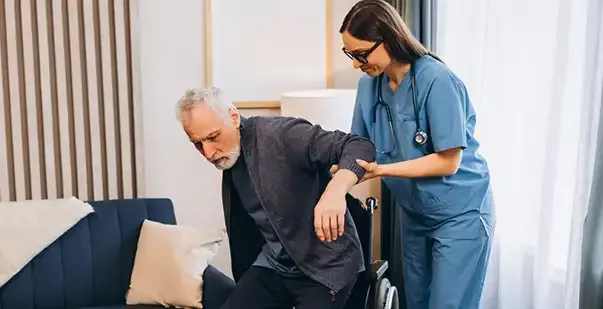
HHAs assist patients with daily activities like bathing, dressing, and grooming. They also help patients move safely, prepare meals, and assist those who need help eating. Thus, they work on improving the patient’s overall quality of life.
Medical Knowledge
HHAs learn about common illnesses, disabilities, and chronic conditions like diabetes and arthritis. They monitor vital signs, blood pressure, pulse, and temperature. While they don’t give medications, HHAs assist by reminding patients to take prescribed medicine under supervision. Understanding common health conditions will help them provide better care and report any changes in health to medical professionals.
Emergency Response
HHA certification trains you in basic first aid and CPR to handle emergencies. They should be cautious about falls, choking, and sudden medical issues. Infection, fever, swelling, or confusion recognition is also important. Serious health problems can be prevented when immediate medical attention is given.
Communication and Ethics
Good communication skills help HHAs build trust with patients and families. They are trained to speak clearly and kindly, ensuring patients feel comfortable. HHAs also learn about patient privacy laws (HIPAA) to protect sensitive information. The training also covers understanding mental and emotional challenges to support patients dealing with loneliness, anxiety, or cognitive disorders.
Career Advancement for Home Health Aides
Did you know that transitioning from an HHA to a Certified Nursing Assistant (CNA) can lead to a median annual wage increase from approximately $33,530 to $36,220? Starting as a HHA is an excellent way to enter the healthcare field. With additional training and experience, HHAs can move into higher-paying and more specialized roles. Following are the career growth options for HHAs:
Certified Nursing Assistant (CNA)
If you want to work in hospitals, nursing homes, and rehabilitation centers, you can become a certified nursing assistant(CNA). CNAs receive additional training and have more responsibilities, such as assisting nurses with medical procedures.
Patient Care Technician (PCT)
PCTs perform more advanced medical tasks like drawing blood and using medical equipment.
Medication Aide
If you are interested in medication management, you can consider becoming a Medication Aide. It allows you to assist with administering medications under supervision.
Licensed Practical Nurse (LPN) or Registered Nurse (RN)
Further education can also open doors to higher positions in healthcare. Many HHAs choose to pursue a LPN or RN degree. These programs provide greater medical knowledge, responsibilities, and earning potential.
Read More: How to Become a Certified Caregiver for a Family Member
Salary and Job Outlook for Home Health Aides
According to the U.S. Bureau of Labor Statistics, employment for home health and personal care aides is projected to grow by 21% between 2023 and 2033, a rate much faster than the average for all occupations. This growth is expected to create around 718,900 job openings each year, largely to replace workers changing fields or retiring.
In terms of pay, the median annual wage for home health and personal care aides was $30,180 as of May 2023. Salaries vary by region. For instance, Alaska reported one of the highest average wages at around $29,100, while West Virginia had a lower average of $18,020.
Experienced HHAs, especially those with added certifications like Certified Nursing Assistant (CNA) training, can command higher wages. Working with private clients or in high-demand states often leads to better pay. Entry-level positions may start lower, but long-term prospects are strong with experience and further training.
Read More: How Long Does It Take to Become a Certified Caregiver?
Taking the Next Step Toward Your HHA Certification
Earning your HHA certification is a step toward making a meaningful impact in people’s lives. You can choose to work for an agency, a private client, or an assisted living facility and assist the elderly with their daily tasks. You can help seniors and people with disabilities live comfortably in their homes. The demand for HHAs is growing, offering job security and opportunities for career advancement.
If you are looking for a stable job with flexible hours and meaningful work, HHA certification is a great choice. You can later advance to roles like Certified Nursing Assistant (CNA) or Licensed Practical Nurse (LPN). Ready to start your journey as a Home Health Aide? Enroll in an approved HHA training program today and take the first step toward a fulfilling career in home healthcare!
FAQS
1. What is an HHA certification?
An HHA certification indicates that you've received approved training to give in-home care, such as personal care, mobility assistance, and general healthcare functions.
2. What are the minimum requirements to participate in HHA training?
Typically, most states need you to be 18 years of age, have a background check, and be physically able to help patients. A high school diploma is the preferable requirement but not always required.
3. Where do I get an approved HHA training program?
You can sign up through vocational schools, community colleges, online courses, or home healthcare agencies—but ensure that the program is state-approved.
4. What are the subjects taught in HHA training?
Training includes personal care, infection control, safety procedures, basic medical knowledge, CPR/first aid, and patient communication.
5. What is the certification exam like?
The exam usually has two parts: a written test (multiple choice) and a skills demonstration, where you’ll perform hands-on caregiving tasks.
6. Where can certified HHAs work?
Certified HHAs can work in home healthcare agencies, assisted living facilities, nursing homes, or with private clients.





















.webp)